
Product Description
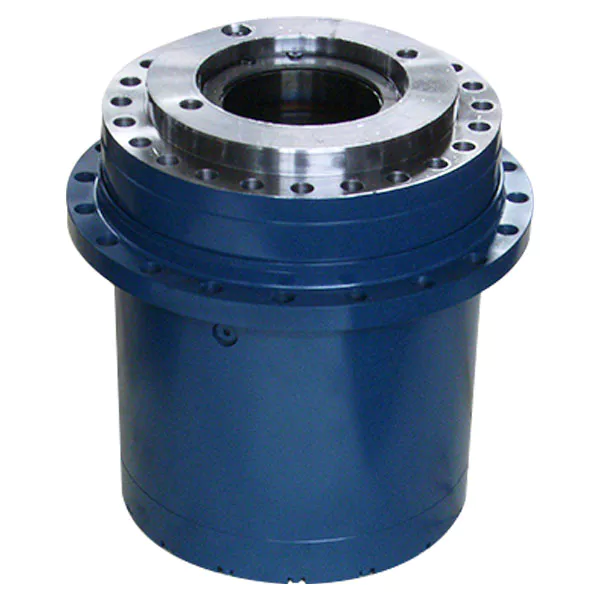
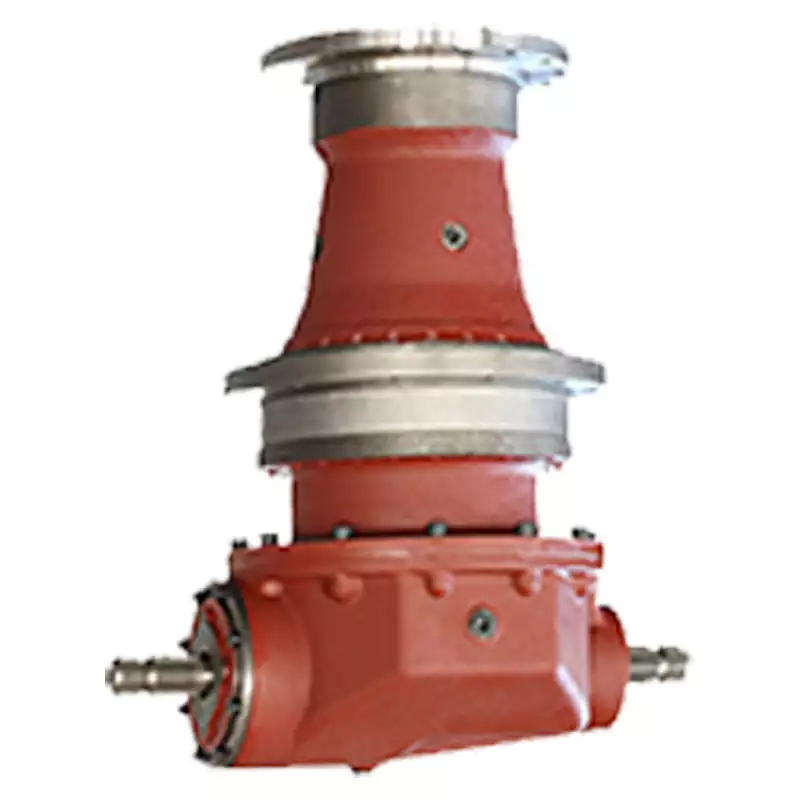
Yaw & Pitch Drive Planetary Gear Box For Wind Power Turbine
Product Description
Yaw & Pitch Drive Planetary Gear Box For Wind Power Turbine are critical components in wind turbines that enable the efficient and controlled operation of the turbine blades. They play a crucial role in adjusting the position and angle of the blades to optimize power generation and ensure safe operation. Here is some information about yaw and pitch gearboxes based on the search results for “Yaw and pitch gearboxes in wind turbines”:
Product Parameters
The pitch system employs three-stage slewing planetary gear units ,Torque range16,000 … 260,000 Nm. Gear ratios60 … 3,000
Key Features
High transmissible torque
High radial/trust load capacity
High shock resitance
Compact dimensions
Low weight
Low cost
Product Application
Production Facilities
FAQ
1. Can you customize according to our requirements?
Yes, we can design nonstandard products according to customer’s drawing and sample.
2.What ‘s your product range?
speed reducer,gearbox,gear motor,pump,crusher
3. Reason why we buy from you?
Wth over 20 years of production experience and credibility. With professional engineer team, advanced technology production and skilled workers.Specialized in the production of reducer. Map sample processing business can be undertaken.
Packing Details
/* October 22, 2571 15:47:17 */(()=>{function d(e,r){var a,o={};try{e&&e.split(“,”).forEach(function(e,t){e&&(a=e.match(/(.*?):(.*)$/))&&1
Challenges in Achieving High Gear Ratios with Compactness in Planetary Gearboxes
Designing planetary gearboxes with high gear ratios while maintaining compactness presents several challenges:
- Space Constraints: As the gear ratio increases, the number of gear stages required also increases. This can lead to larger gearbox sizes, which may be challenging to accommodate in applications with limited space.
- Bearing Loads: Higher gear ratios often result in increased loads on the bearings and other components due to the redistribution of forces. This can impact the durability and lifespan of the gearbox.
- Efficiency: Each gear stage introduces losses due to friction and other factors. With multiple stages, the overall efficiency of the gearbox can decrease, affecting its energy efficiency.
- Complexity: Achieving high gear ratios can require complex gear arrangements and additional components, which can lead to increased manufacturing complexity and costs.
- Thermal Effects: Higher gear ratios can lead to greater heat generation due to increased friction and loads. Managing thermal effects becomes crucial to prevent overheating and component failure.
To address these challenges, gearbox designers use advanced materials, precise machining techniques, and innovative bearing arrangements to optimize the design for both compactness and performance. Computer simulations and modeling play a critical role in predicting the behavior of the gearbox under different operating conditions, helping to ensure reliability and efficiency.
Considerations for Selecting Size and Gear Materials in Planetary Gearboxes
Choosing the appropriate size and gear materials for a planetary gearbox is crucial for optimal performance and reliability. Here are the key considerations:
1. Load and Torque Requirements: Evaluate the anticipated load and torque that the gearbox will experience in the application. Select a gearbox size that can handle the maximum load without exceeding its capacity, ensuring reliable and durable operation.
2. Gear Ratio: Determine the required gear ratio to achieve the desired output speed and torque. Different gear ratios are achieved by varying the number of teeth on the gears. Select a gearbox with a suitable gear ratio for your application’s requirements.
3. Efficiency: Consider the efficiency of the gearbox, which is influenced by factors such as gear meshing, bearing losses, and lubrication. A higher efficiency gearbox minimizes energy losses and improves overall system performance.
4. Space Constraints: Evaluate the available space for installing the gearbox. Planetary gearboxes offer compact designs, but it’s essential to ensure that the selected size fits within the available area, especially in applications with limited space.
5. Material Selection: Choose suitable gear materials based on factors like load, speed, and operating conditions. High-quality materials, such as hardened steel or specialized alloys, enhance gear strength, durability, and resistance to wear and fatigue.
6. Lubrication: Proper lubrication is critical for reducing friction and wear in the gearbox. Consider the lubrication requirements of the selected gear materials and ensure the gearbox is designed for efficient lubricant distribution and maintenance.
7. Environmental Conditions: Assess the environmental conditions in which the gearbox will operate. Factors such as temperature, humidity, and exposure to contaminants can impact gear material performance. Choose materials that can withstand the operating environment.
8. Noise and Vibration: Gear material selection can influence noise and vibration levels. Some materials are more adept at dampening vibrations and reducing noise, which is essential for applications where quiet operation is crucial.
9. Cost: Consider the budget for the gearbox and balance the cost of materials, manufacturing, and performance requirements. While high-quality materials may increase initial costs, they can lead to longer gearbox lifespan and reduced maintenance expenses.
10. Manufacturer’s Recommendations: Consult with gearbox manufacturers or experts for guidance on selecting the appropriate size and gear materials. They can provide insights based on their experience and knowledge of various applications.
Ultimately, the proper selection of size and gear materials is vital for achieving reliable, efficient, and long-lasting performance in planetary gearboxes. Taking into account load, gear ratio, materials, lubrication, and other factors ensures the gearbox meets the specific needs of the application.
Role of Sun, Planet, and Ring Gears in Planetary Gearboxes
The arrangement of sun, planet, and ring gears is a fundamental aspect of planetary gearboxes and significantly contributes to their performance. Each gear type plays a specific role in the gearbox’s operation:
- Sun Gear: The sun gear is located at the center and is driven by the input power source. It transmits torque to the planet gears, causing them to orbit around it. The sun gear’s size and rotation speed affect the overall gear ratio of the system.
- Planet Gears: Planet gears are smaller gears that surround the sun gear. They are held in place by the planet carrier and mesh with both the sun gear and the internal teeth of the ring gear. As the sun gear rotates, the planet gears revolve around it, engaging with both the sun and ring gears simultaneously. This arrangement multiplies torque and changes the direction of rotation.
- Ring Gear (Annulus Gear): The ring gear is the outermost gear with internal teeth that mesh with the planet gears’ external teeth. It remains stationary or acts as the output shaft. The interaction between the planet gears and the ring gear causes the planet gears to rotate on their own axes as they orbit the sun gear.
The arrangement of these gears allows for various gear reduction ratios and torque multiplication effects, making planetary gearboxes versatile and efficient for a wide range of applications. The combination of multiple gear engagements and interactions distributes the load across multiple gear teeth, resulting in higher torque capacity, smoother operation, and lower stress on individual gear teeth.
Planetary gearboxes offer advantages such as compact size, high torque density, and the ability to achieve multiple gear reduction stages within a single unit. The arrangement of the sun, planet, and ring gears is essential for achieving these benefits while maintaining efficiency and reliability in various mechanical systems.


editor by lmc 2024-11-27