
Product Description
Product Description
Packaging & Shipping
Packaging & Delivery
| Shipping Weight | 85KG |
| Package Size | 400*400*470mm |
Product Parameters
| EXCAVATOR | MODELS | |||||
| CATERPILLA*R | E70 | E70B | E70B-7 | E70C | E120 | E140B |
| E200B | E240 | E240B | E300B | E305 | E311 | |
| E312 | E312B | E312C | E315 | E315B | E315C | |
| E325 | E325B | E330 | E330B | E330C | E340B | |
| E450 | ||||||
| PC SERIES | PC45 | PC50 | PC50-2 | PC50-5 | PC55 | PC90 |
| PC60 | PC60-2 | PC60-3 | PC60-5 | PC60-6 | PC60-7 | |
| PC100 | PC100-3 | PC100-5 | PC100-6 | PC150 | PC150-3 | |
| PC120 | PC120-3 | PC120-5 | PC120-6 | PC150-5 | ||
| PC200-1 | PC200-2 | PC200-3 | PC200-5 | PC200-6 | PC200-7 | |
| PC220-1 | PC220-3 | PC220-5 | PC220-7 | PC75 | PC80 | |
| PC300-3 | PC300-5 | PC300-6 | PC300-7 | |||
| PC400 | PC400-3 | PC400-6 | PC450 | PC450-6 | ||
| HITACHI– | EX60-1 | EX60-2 | EX60-3 | EX60-5 | EX60-6 | EX70 |
| EX100 | EX100-2 | EX80-5 | EX135 | EX160-1 | ||
| EX120 | EX120-2 | EX120-5 | EX120-6 | EX120-7 | ||
| EX200-1 | EX200-2 | EX200-3 | EX200-5 | EX200-6 | EX210-1 | |
| EX220-1 | EX220-2 | EX220-3 | EX220-5 | EX220-6 | EX270 | |
| EX300-1 | EX300-2 | EX300-3 | EX300-5 | EX330 | ||
| EX400 | EX400-3 | EX450 | EX450-5 | EX500-3 | ||
| ZX55 | ZX120 | ZX200 | ZX230 | |||
| UH04 | UH07-5 | UH07-7 | UH160 | KH120-2 | ||
| KATO | HD55 | HD100 | HD140 | HD140-3 | ||
| HD250 | HD250-1 | HD250-2 | HD250G | HD250-7 | ||
| HD300 | HD307 | HD400 | HD400-2 | HD400-5 | HD400-7 | |
| HD450 | HD450-2 | HD450-7 | HD450SE | HD400SEM | ||
| HD550 | HD550-2 | HD550-3 | HD550-5 | HD550-7 | ||
| HD700-2 | HD700-5 | HD700-7 | HD770-1 | HD770-2 | ||
| HD800-1 | HD800-2 | HD800-5 | HD800-7 | HD820 | ||
| HD880-1 | HD880-2 | HD880-5 | HD900-5 | HD900-7 | HD1880-1 | |
| HD1220 | HD1250 | HD1250-5 | HD1250-7 | HD120-7(6D102) | ||
| KOBELCO | SK09 | SK50 | SK55 | SK130 | SK135 | SK160 |
| SK60 | SK60-3 | SK60-6 | SK60-7 | SK70-6 | SK55 | |
| SK100-1 | SK100-3 | SK100-5 | SK120 | SK120-3 | SK120-5 | |
| SK200-1 | SK200-2 | SK200-3 | SK200-5 | SK200-6 | SK200-6E | |
| SK200-7 | SK210-6 | SK220-1 | SK220-3 | SK230 | SK230-6E | |
| SK230-8 | SK260 | SK300 | SK310 | SK310-3 | SK330 | |
| SK330-8 | SK450-1 | |||||
| SUMITOMO | SH30 | SH40 | SH60 | SH75 | SH100 | SH130 |
| SH120 | SH120A1 | SH120-3 | SH120-6 | SH120A3 | ||
| SH200 | SH200A1 | SH200A3 | SH220 | SH260 | SH265 | |
| SH280 | SH280DJ | SH280EJ | SH280F2 | SH280FG-2 | SH280FG | |
| SH300 | SH340 | SH340EJ | SH340F1 | SH340F2 | SH350 | |
| SH160 | SH160-2 | SH430 | SH430FJ | LS280 | SH915 | |
| HYUNDAI | R55 | R60 | R80-8 | R130 | R170 | R180 |
| R200 | R200-5 | R210 | R210-3 | R210-5 | ||
| R220 | R220-5 | R300 | R250 | R250-5 | ||
| R305-7 | R310 | R320-7 | R335-7 | |||
| DAEWOO | DH55 | DH60 | DH60-5 | DH200-5 | ||
| DH220-2 | DH220-3 | DH220-5 | DH225-7 | DH250-7 | DH220-7 | |
| DH258-7 | DH280 | DH300 | ||||
Company Profile
Payment
FAQ
1. who are we?
We are based in ZheJiang , China, start from 2008,sell to Domestic Market(35.00%),North America(10.00%),South America(8.00%),Southeast Asia(7.00%),Western Europe(6.00%),South Asia(6.00%),Central America(5.00%),Eastern Europe(4.00%),Oceania(4.00%),Eastern Asia(4.00%),Mid East(3.00%),Northern Europe(3.00%),Southern Europe(3.00%),Africa(2.00%). There are total about 11-50 people in our office.
2. how can we guarantee quality?
Always a pre-production sample before mass production;
Always final Inspection before shipment;
3.what can you buy from us?
Excavator Hydraulic Parts,Excavator Engine Parts,Excavator Filter Element,Excavator Electrical Parts,Excavator Hardware
4. why should you buy from us not from other suppliers?
Professional operation excavator accessories,complete product models,with a complete productionline,mature technology,quality assurance,the main business scopefor filter maintenance parts,filter corepaper carfully selected,strong filerring effect.
5. what services can we provide?
Accepted Delivery Terms: EXW,DDP,DES;
Accepted Payment Currency:USD,CNY;
Accepted Payment Type: null;
Language Spoken:English,Chinese
| After-sales Service: | Technical Support |
|---|---|
| Warranty: | 1 Year |
| Type: | Motor |
| Application: | Excavator |
| Certification: | CE, ISO9001: 2000 |
| Condition: | New |
| Customization: |
Available
| Customized Request |
|---|
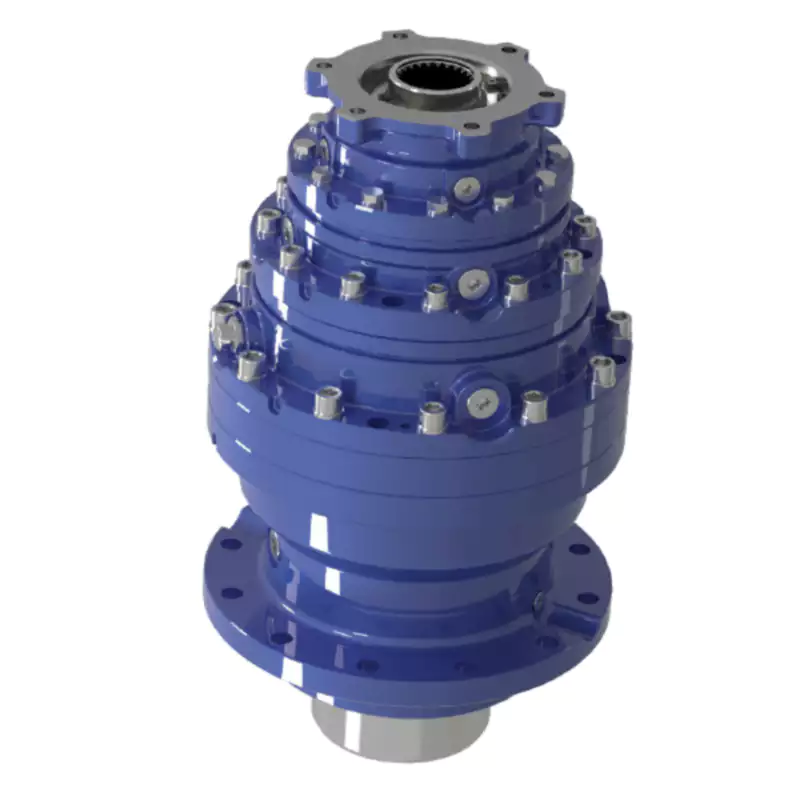
Impact of Gear Tooth Design and Profile on the Efficiency of Planetary Gearboxes
The design and profile of gear teeth have a significant impact on the efficiency of planetary gearboxes:
- Tooth Profile: The tooth profile, such as involute, cycloid, or modified profiles, affects the contact pattern and load distribution between gear teeth. An optimized profile minimizes stress concentration and ensures smooth meshing, contributing to higher efficiency.
- Tooth Shape: The shape of gear teeth influences the amount of sliding and rolling motion during meshing. Gear teeth designed for more rolling and less sliding motion reduce friction and wear, enhancing overall efficiency.
- Pressure Angle: The pressure angle at which gear teeth engage affects the force distribution and efficiency. Larger pressure angles can lead to higher efficiency due to improved load sharing, but they may require more space.
- Tooth Thickness and Width: Optimized tooth thickness and width contribute to distributing the load more evenly across the gear face. Proper sizing reduces stress and increases efficiency.
- Backlash: Backlash, the gap between meshing gear teeth, impacts efficiency by causing vibrations and energy losses. Properly controlled backlash minimizes these effects and improves efficiency.
- Tooth Surface Finish: Smoother tooth surfaces reduce friction and wear. Proper surface finish, achieved through grinding or honing, enhances efficiency by reducing energy losses due to friction.
- Material Selection: The choice of gear material influences wear, heat generation, and overall efficiency. Materials with good wear resistance and low friction coefficients contribute to higher efficiency.
- Profile Modification: Profile modifications, such as tip and root relief, optimize tooth contact and reduce interference. These modifications minimize friction and increase efficiency.
In summary, the design and profile of gear teeth play a crucial role in determining the efficiency of planetary gearboxes. Optimal tooth profiles, shapes, pressure angles, thicknesses, widths, surface finishes, and material selections all contribute to reducing friction, wear, and energy losses, resulting in improved overall efficiency.
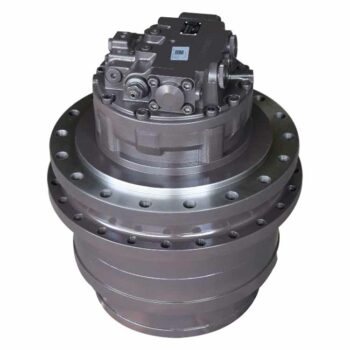
Differences Between Inline and Right-Angle Planetary Gearbox Configurations
Inline and right-angle planetary gearbox configurations are two common designs with distinct characteristics suited for various applications. Here’s a comparison of these configurations:
Inline Planetary Gearbox:
- Configuration: In an inline configuration, the input and output shafts are aligned along the same axis. The sun gear, planetary gears, and ring gear are typically arranged in a straight line.
- Compactness: Inline gearboxes are more compact and have a smaller footprint, making them suitable for applications with limited space.
- Efficiency: Inline configurations tend to have slightly higher efficiency due to the direct alignment of components.
- Output Speed and Torque: Inline gearboxes are better suited for applications that require higher output speeds and lower torque.
- Applications: They are commonly used in robotics, conveyors, printing machines, and other applications where space is a consideration.
Right-Angle Planetary Gearbox:
- Configuration: In a right-angle configuration, the input and output shafts are oriented at a 90-degree angle to each other. This allows for a change in direction of power transmission.
- Space Flexibility: Right-angle gearboxes offer flexibility in arranging components, making them suitable for applications that require changes in direction or where space constraints prevent a straight-line configuration.
- Torque Capacity: Right-angle configurations can handle higher torque loads due to the increased surface area of gear engagement.
- Applications: They are often used in cranes, elevators, conveyor systems, and applications requiring a change in direction.
- Efficiency: Right-angle configurations may have slightly lower efficiency due to increased gear meshing complexity and potential for additional losses.
Choosing between inline and right-angle configurations depends on factors such as available space, required torque and speed, and the need for changes in power transmission direction. Each configuration offers distinct advantages based on the specific needs of the application.
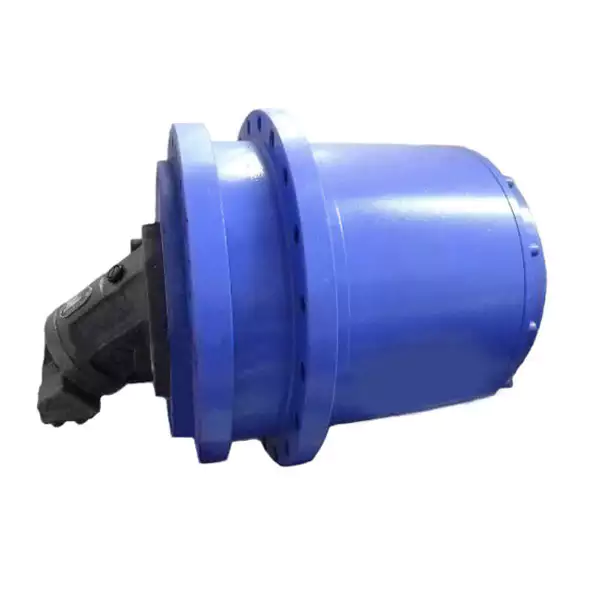
Design Principles and Functions of Planetary Gearboxes
Planetary gearboxes, also known as epicyclic gearboxes, are a type of gearbox that consists of one or more planet gears that revolve around a central sun gear, all contained within an outer ring gear. The design principles and functions of planetary gearboxes are based on this unique arrangement:
- Sun Gear: The sun gear is positioned at the center and is connected to the input shaft. It transmits power from the input source to the planetary gears.
- Planet Gears: Planet gears are small gears that rotate around the sun gear. They are typically mounted on a carrier, which is connected to the output shaft. The interaction between the planet gears and the sun gear creates both speed reduction and torque amplification.
- Ring Gear: The outer ring gear is stationary and surrounds the planet gears. The teeth of the planet gears mesh with the teeth of the ring gear. The ring gear serves as the housing for the planet gears and provides a fixed outer reference point.
- Function: Planetary gearboxes offer various gear reduction ratios by altering the arrangement of the input, output, and planet gears. Depending on the configuration, the sun gear, planet gears, or ring gear can serve as the input, output, or stationary element. This flexibility allows planetary gearboxes to achieve different torque and speed combinations.
- Gear Reduction: In a planetary gearbox, the planet gears rotate while also revolving around the sun gear. This double motion creates multiple gear meshing points, distributing the load and enhancing torque transmission. The output shaft, connected to the planet carrier, rotates at a lower speed and higher torque than the input shaft.
- Torque Amplification: Due to the multiple points of contact between the planet gears and the sun gear, planetary gearboxes can achieve torque amplification. The arrangement of gears allows for load sharing and distribution, leading to efficient torque transmission.
- Compact Size: The compact design of planetary gearboxes, achieved by stacking the gears concentrically, makes them suitable for applications where space is limited.
- Multiple Stages: Planetary gearboxes can be designed with multiple stages, where the output of one stage becomes the input of the next. This arrangement allows for high gear reduction ratios while maintaining a compact size.
- Controlled Motion: By controlling the arrangement of the gears and their rotation, planetary gearboxes can provide different motion outputs, including forward, reverse, and even variable speeds.
Overall, the design principles of planetary gearboxes allow them to provide efficient torque transmission, compact size, high gear reduction, and versatile motion control, making them well-suited for various applications in industries such as automotive, robotics, aerospace, and more.


editor by CX 2023-11-28