
Product Description
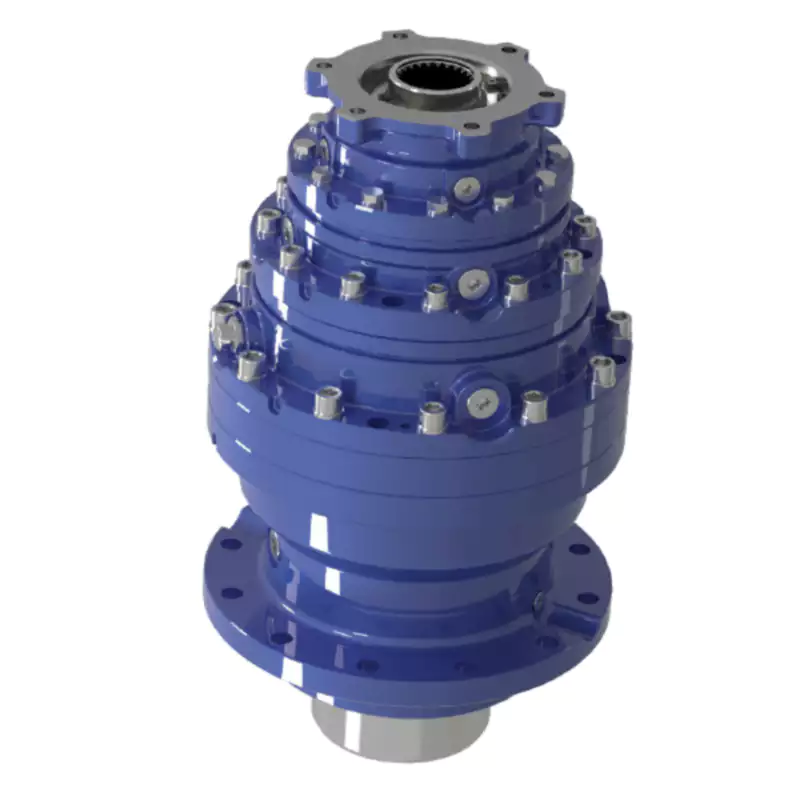
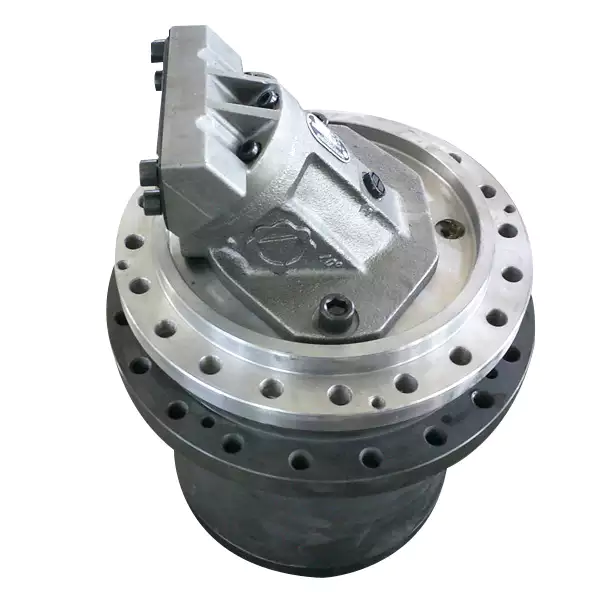
We supply Original Italy 8-12 cubic meter L 577L 580L Reductor Concrete CZPT Trasmital Truck Mixer Gearbox.
1. Completely interchangeable with original
2. Planetary Gearboxes for Mobile Equipment
3. For travel drives in tracked and wheeled vehicles
4. Also suitable for other applications, e.g. rotary motion sequences,
drum drives, milling drum drives etc.
5. High speed cranked shell reducer
6. Compact two-, three- or four-stage planetary gearboxes
7. Cageless planetary gear bearing
8. Robust main bearing
9. Optimized seals
10. Integr. multi-disc parking brake
11. Optional with wheel drives: mechanical disconnecting device
12. Easy mounting
13. Easy oil change
14. Low-noise operation
15. Very competitive price
16. 1 year of warranty
17. Short delivery time
Details regarding the choice of hydraulic fluid:
The correct choice of hydraulic fluid requires knowledge of the operating temperature in relation to the ambient temperature: in a closed circuit the circuit temperature. The hydraulic fluid should be chosen so that the operating viscosity in the operating temperature range is within the optimum range – the shaded area of the selection diagram. We recommended that the higher viscosity class be selected in each case. Example: At an ambient temperature of X °C an operating temperature of 58 °C is set. In the optimum operating viscosity range (shaded area) this corresponds to the viscosity classes VG46 or VG66; to be selected: VG66. Please note: The case drain temperature, which is affected by pressure and speed, is always higher than the circuit temperature. At no point in the system may the temperature be higher than 110 °C. If the above conditions cannot be maintained due to extreme operating parameters, please consult us. /* January 22, 2571 19:08:37 */!function(){function s(e,r){var a,o={};try{e&&e.split(“,”).forEach(function(e,t){e&&(a=e.match(/(.*?):(.*)$/))&&1
| Application: | Motor |
|---|---|
| Hardness: | Hardened Tooth Surface |
| Installation: | Horizontal Type |
| Layout: | Coaxial |
| Gear Shape: | Conical – Cylindrical Gear |
| Step: | Stepless |
| Customization: |
Available
| Customized Request |
|---|
Impact of Gear Tooth Design and Profile on the Efficiency of Planetary Gearboxes
The design and profile of gear teeth have a significant impact on the efficiency of planetary gearboxes:
- Tooth Profile: The tooth profile, such as involute, cycloid, or modified profiles, affects the contact pattern and load distribution between gear teeth. An optimized profile minimizes stress concentration and ensures smooth meshing, contributing to higher efficiency.
- Tooth Shape: The shape of gear teeth influences the amount of sliding and rolling motion during meshing. Gear teeth designed for more rolling and less sliding motion reduce friction and wear, enhancing overall efficiency.
- Pressure Angle: The pressure angle at which gear teeth engage affects the force distribution and efficiency. Larger pressure angles can lead to higher efficiency due to improved load sharing, but they may require more space.
- Tooth Thickness and Width: Optimized tooth thickness and width contribute to distributing the load more evenly across the gear face. Proper sizing reduces stress and increases efficiency.
- Backlash: Backlash, the gap between meshing gear teeth, impacts efficiency by causing vibrations and energy losses. Properly controlled backlash minimizes these effects and improves efficiency.
- Tooth Surface Finish: Smoother tooth surfaces reduce friction and wear. Proper surface finish, achieved through grinding or honing, enhances efficiency by reducing energy losses due to friction.
- Material Selection: The choice of gear material influences wear, heat generation, and overall efficiency. Materials with good wear resistance and low friction coefficients contribute to higher efficiency.
- Profile Modification: Profile modifications, such as tip and root relief, optimize tooth contact and reduce interference. These modifications minimize friction and increase efficiency.
In summary, the design and profile of gear teeth play a crucial role in determining the efficiency of planetary gearboxes. Optimal tooth profiles, shapes, pressure angles, thicknesses, widths, surface finishes, and material selections all contribute to reducing friction, wear, and energy losses, resulting in improved overall efficiency.
Maintenance Practices to Extend the Lifespan of Planetary Gearboxes
Proper maintenance is essential for ensuring the longevity and optimal performance of planetary gearboxes. Here are specific maintenance practices that can help extend the lifespan of planetary gearboxes:
1. Regular Inspections: Implement a schedule for routine visual inspections of the gearbox. Look for signs of wear, damage, oil leaks, and any abnormal conditions. Early detection of issues can prevent more significant problems.
2. Lubrication: Adequate lubrication is crucial for reducing friction and wear between gearbox components. Follow the manufacturer’s recommendations for lubricant type, viscosity, and change intervals. Ensure that the gearbox is properly lubricated to prevent premature wear.
3. Proper Installation: Ensure the gearbox is installed correctly, following the manufacturer’s guidelines and specifications. Proper alignment, torque settings, and clearances are critical to prevent misalignment-related wear and other issues.
4. Load Monitoring: Avoid overloading the gearbox beyond its designed capacity. Excessive loads can accelerate wear and reduce the gearbox’s lifespan. Regularly monitor the load conditions and ensure they are within the gearbox’s rated capacity.
5. Temperature Control: Maintain the operating temperature within the recommended range. Excessive heat can lead to accelerated wear and lubricant breakdown. Adequate ventilation and cooling measures may be necessary in high-temperature environments.
6. Seal and Gasket Inspection: Regularly check seals and gaskets for signs of leakage. Damaged seals can lead to lubricant loss and contamination, which can cause premature wear and gear damage.
7. Vibration Analysis: Use vibration analysis techniques to detect early signs of misalignment, imbalance, or other mechanical issues. Monitoring vibration levels can help identify problems before they lead to serious damage.
8. Preventive Maintenance: Establish a preventive maintenance program based on the gearbox’s operational conditions and usage. Perform scheduled maintenance tasks such as gear inspections, lubricant changes, and component replacements as needed.
9. Training and Documentation: Ensure that maintenance personnel are trained in proper gearbox maintenance procedures. Keep comprehensive records of maintenance activities, inspections, and repairs to track the gearbox’s condition and history.
10. Consult Manufacturer Guidelines: Always refer to the manufacturer’s maintenance and servicing guidelines specific to the gearbox model and application. Following these guidelines will help maintain warranty coverage and ensure best practices are followed.
By adhering to these maintenance practices, you can significantly extend the lifespan of your planetary gearbox, minimize downtime, and ensure reliable performance for your industrial machinery or application.
Advantages of Planetary Gearboxes Compared to Other Gearbox Configurations
Planetary gearboxes, also known as epicyclic gearboxes, offer several advantages compared to other gearbox configurations. These advantages make them well-suited for a wide range of applications. Here’s a closer look at why planetary gearboxes are favored:
- Compact Size: Planetary gearboxes are known for their compact and space-efficient design. The arrangement of multiple gears within a single housing allows for high gear reduction ratios without significantly increasing the size of the gearbox.
- High Torque Density: Due to their compact design, planetary gearboxes offer high torque density, meaning they can transmit a significant amount of torque relative to their size. This makes them ideal for applications where space is limited, but high torque is required.
- Efficiency: Planetary gearboxes can achieve high efficiency levels, especially when properly lubricated and well-designed. The arrangement of multiple meshing gears allows for load distribution, reducing individual gear tooth stresses and minimizing losses due to friction.
- Multiple Gear Stages: Planetary gearboxes can be designed with multiple stages, allowing for higher gear reduction ratios. This is particularly advantageous when precise control of output speed and torque is required.
- High Gear Ratios: Planetary gearboxes can achieve high gear reduction ratios in a single stage, eliminating the need for multiple external gears. This simplifies the overall design and reduces the number of components.
- Load Sharing: The multiple gear meshing arrangements in planetary gearboxes distribute loads evenly across multiple gears, reducing the stress on individual components and enhancing overall durability.
- High Precision: Planetary gearboxes offer high precision and accuracy in gear meshing, making them suitable for applications that demand precise motion control.
- Quiet Operation: The design of planetary gearboxes often leads to smoother and quieter operation compared to some other gearbox configurations, contributing to improved user experience.
Overall, the advantages of planetary gearboxes in terms of size, torque density, efficiency, versatility, and precision make them an attractive choice for a wide range of applications across industries, including robotics, automotive, aerospace, and industrial machinery.


editor by CX 2024-03-26