
Product Description
Planetary reducer is a widely used industrial product that can reduce the speed of the motor while increasing the output torque.Planetary reducer can be used as supporting parts for lifting, mining, transportation, construction and other industries.
The planetary gear reducer has the following features: light weight, small size, large transmission ratio range, high efficiency, smooth operation, low noise, and strong adaptability. It is widely used in industrial departments such as metallurgy, mining, hoisting and transportation, power generation, energy, construction and building materials, light industry, and transportation.
Product description:
1. The planetary gear reducer adopts modular design and can be changed and combined according to customer requirements.
2. The reducer uses an epicyclic planetary gear transmission and rationally utilizes internal and external meshing and power distribution.
3. The housing is made of ductile iron, which greatly improves the rigidity and shock resistance of the housing.
4. All gears are carburized and quenched, with a high hardness and wear-resistant surface. After heat treatment, all gears are ground, reducing noise and improving the efficiency and service life of the entire machine.
5. The planetary gear reducer products have 9-34 types, and the planetary transmission gear ratio has 2 and 3 levels.
Speed reduction ratio: 25~4000r/min (combined with RX, R, and K series to achieve a larger speed reduction ratio)
Output torque: up to 2,600,000 Nm
Motor power: 0.4-129,340 kW
Our Advantages
1. High Precision: back gap is less than 5 arc minutes, accurate positioning.
2. The precision of the gear can be controlled below ISO4 level by using the top ultra-precision machine tool and the world’s leading tooth grinding.
3. The gear material is made of advanced low carbon alloy forged steel. After deed heat treatment, it can reach HRC60.
4. It can be adapted to any servo motor in the world.
5. Using synthetic grease, and adopt IP65 sealing design, no leakage and no maintenance.
6. The cage planetary support structure and the output shaft are integrated to achieve high stiffness and precision.
Product Parameters
Description:
(1).The output shaft is made of large size,large span double bearing design,output shaft and planetary arm bracket as a whole.The input shaft is placed directly on the planet arm bracket to ensure that the reducer has high operating accuracy and maximum torsional rigidity.
(2).Shell and the inner ring gear used integrated design,quenching and tempering after the processing of the teeth so that it can achieve high torque,high precision,high wear resistance.Moreover surface nickel-plated anti-rust treatment,so that its corrosion resistance greatly enhanced.
(3).The planetary gear transmission employs full needle roller without retainer to increase the contact surface,which greatly upgrades structural rigidity and service life.
(4).The gear is made of Japanese imported material.After the metal cutting process,the vacuum carburizing heat treatment to 58-62HRC. And then by the hobbing,Get the best tooth shape,tooth direction,to ensure that the gear of high precision and good impact toughness.
(5).Input shaft and sun gear integrated structure,in order to improve the operation accuracy of the reducer.
| Product type | Stage | Ratio | FLE42 | FLF57 | HPR28 | HPR35 | HPR42 | HPS42 | HPS42 MA,MB ,MC |
HPS/R60 | HPR60 MA,MB ,MC |
HPS60 MA,MB ,MC |
HPS90 MA,MB |
HPS115 MA,MB ,MC |
HPS130 MA.MB ,MC |
HPZS60 MA,MB ,MC |
HPZS90 MA,MB |
HXF060 | HXF90 |
| Nominal Output Torque | L1 | 3 | / | / | / | 6 | 8 | / | / | 16 | / | / | / | / | / | / | / | 35 | 104 |
| 4 | 9 | 25 | 2 | 7 | 9 | 9 | 9 | 25 | 25 | 25 | 80 | 220 | 220 | 25 | 80 | 45 | 112 | ||
| 5 | 9 | 25 | 3 | 6.5 | 9 | 9 | 9 | 28 | 28 | 28 | 90 | 230 | 230 | 28 | 90 | 44 | 112 | ||
| 7 | / | / | 2 | 5 | 5 | 5 | 5 | 20 | 20 | 20 | 60 | 150 | 150 | 20 | 60 | 40 | 100 | ||
| 10 | 5 | 10 | 1 | / | 5 | 5 | 10 | 10 | 10 | 39 | 90 | 90 | 10 | 39 | 22 | 76 | |||
| L2 | 15 | / | / | / | / | 10 | / | / | / | / | / | / | / | / | / | / | / | 112 | |
| 16 | / | / | 4 | / | 12 | 12 | 12 | 30 | 30 | 30 | 90 | 250 | 250 | 30 | 90 | 40 | / | ||
| 20 | 10 | 25 | 4 | 8.5 | 12 | 12 | 12 | 30 | 30 | 30 | 90 | 250 | 250 | 30 | 90 | 45 | 112 | ||
| 25 | 10 | 25 | 4 | 8.5 | 10 | 10 | 10 | 32 | 32 | 32 | 100 | 260 | 260 | 32 | 100 | 45 | 112 | ||
| 28 | / | / | 4 | / | 10 | 10 | 10 | 30 | 30 | 30 | 90 | 250 | 250 | 30 | 90 | 45 | / | ||
| 30 | / | / | / | 7 | 10 | / | / | 30 | / | / | / | / | / | / | / | 35 | 104 | ||
| 35 | / | / | 4 | / | 10 | 10 | 10 | 30 | 30 | 30 | 100 | 260 | 260 | 30 | 100 | 45 | / | ||
| 40 | / | / | 3 | / | 10 | 10 | 10 | 25 | 25 | 25 | 90 | 250 | 250 | 25 | 90 | 45 | 112 | ||
| 50 | 10 | 20 | 3 | / | 10 | 10 | 10 | 25 | 25 | 25 | 100 | 260 | 260 | 25 | 100 | 45 | 112 | ||
| 70 | / | / | 3 | / | 10 | 10 | 10 | 20 | 20 | 20 | 70 | 160 | 160 | 20 | 70 | 40 | 100 | ||
| 100 | 5 | / | 6 | 9 | 5 | 5 | 5 | 10 | 10 | 10 | / | / | / | 10 | / | 22 | 76 | ||
| Sudden Stop Torque | N.m | L1/L2/L3 | 2Times of Nominal Output Torque | ||||||||||||||||
Company Profile
/* October 22, 2571 15:47:17 */(()=>{function d(e,r){var a,o={};try{e&&e.split(“,”).forEach(function(e,t){e&&(a=e.match(/(.*?):(.*)$/))&&1
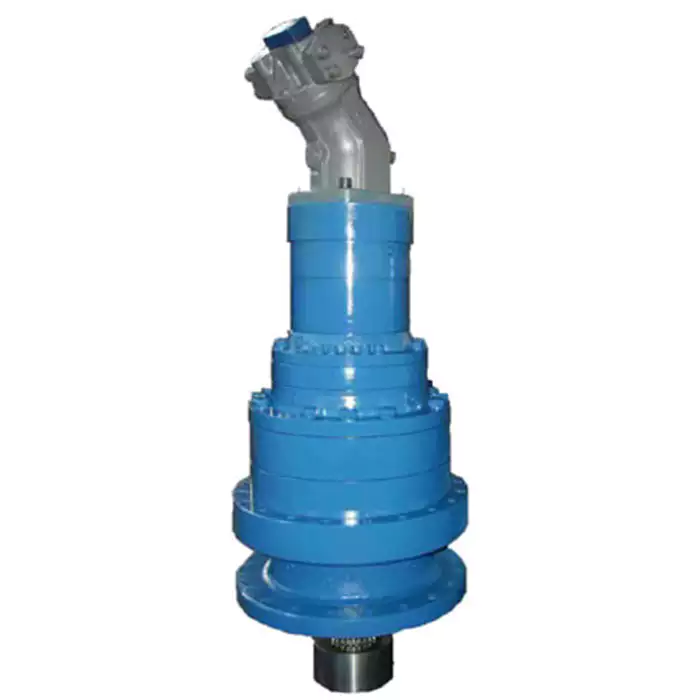
Challenges in Achieving High Gear Ratios with Compactness in Planetary Gearboxes
Designing planetary gearboxes with high gear ratios while maintaining a compact form factor poses several challenges due to the intricate arrangement of gears and the need to balance various factors:
Space Constraints: Increasing the gear ratio typically requires adding more planetary stages, resulting in additional gears and components. However, limited available space can make it challenging to fit these additional components without compromising the compactness of the gearbox.
Efficiency: As the number of planetary stages increases to achieve higher gear ratios, there can be a trade-off in terms of efficiency. Additional gear meshings and friction losses can lead to decreased overall efficiency, impacting the gearbox’s performance.
Load Distribution: The distribution of loads across multiple stages becomes critical when designing high gear ratio planetary gearboxes. Proper load distribution ensures that each stage shares the load proportionally, preventing premature wear and ensuring reliable operation.
Bearing Arrangement: Accommodating multiple stages of planetary gears requires an effective bearing arrangement to support the rotating components. Improper bearing selection or arrangement can lead to increased friction, reduced efficiency, and potential failures.
Manufacturing Tolerances: Achieving high gear ratios demands tight manufacturing tolerances to ensure accurate gear tooth profiles and precise gear meshing. Any deviations can result in noise, vibration, and reduced performance.
Lubrication: Adequate lubrication becomes crucial in maintaining smooth operation and reducing friction as gear ratios increase. However, proper lubrication distribution across multiple stages can be challenging, impacting efficiency and longevity.
Noise and Vibration: The complexity of high gear ratio planetary gearboxes can lead to increased noise and vibration levels due to the higher number of gear meshing interactions. Managing noise and vibration becomes essential for ensuring acceptable performance and user comfort.
To address these challenges, engineers employ advanced design techniques, high-precision manufacturing processes, specialized materials, innovative bearing arrangements, and optimized lubrication strategies. Achieving the right balance between high gear ratios and compactness involves careful consideration of these factors to ensure the gearbox’s reliability, efficiency, and performance.
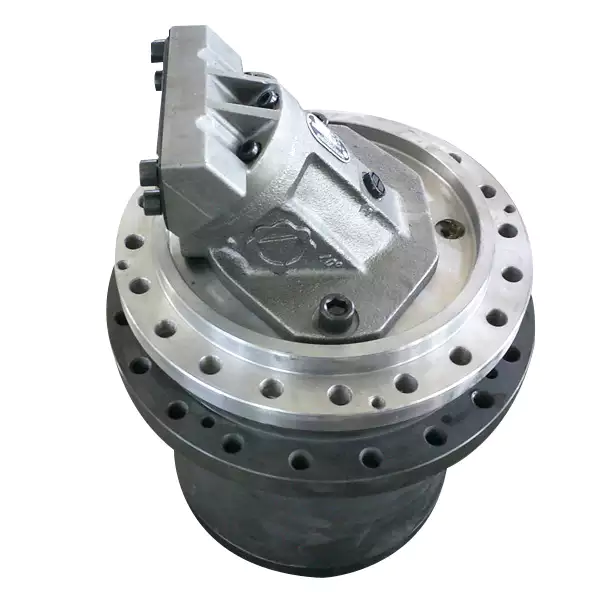
Maintenance Practices to Extend the Lifespan of Planetary Gearboxes
Proper maintenance is essential for ensuring the longevity and optimal performance of planetary gearboxes. Here are specific maintenance practices that can help extend the lifespan of planetary gearboxes:
1. Regular Inspections: Implement a schedule for routine visual inspections of the gearbox. Look for signs of wear, damage, oil leaks, and any abnormal conditions. Early detection of issues can prevent more significant problems.
2. Lubrication: Adequate lubrication is crucial for reducing friction and wear between gearbox components. Follow the manufacturer’s recommendations for lubricant type, viscosity, and change intervals. Ensure that the gearbox is properly lubricated to prevent premature wear.
3. Proper Installation: Ensure the gearbox is installed correctly, following the manufacturer’s guidelines and specifications. Proper alignment, torque settings, and clearances are critical to prevent misalignment-related wear and other issues.
4. Load Monitoring: Avoid overloading the gearbox beyond its designed capacity. Excessive loads can accelerate wear and reduce the gearbox’s lifespan. Regularly monitor the load conditions and ensure they are within the gearbox’s rated capacity.
5. Temperature Control: Maintain the operating temperature within the recommended range. Excessive heat can lead to accelerated wear and lubricant breakdown. Adequate ventilation and cooling measures may be necessary in high-temperature environments.
6. Seal and Gasket Inspection: Regularly check seals and gaskets for signs of leakage. Damaged seals can lead to lubricant loss and contamination, which can cause premature wear and gear damage.
7. Vibration Analysis: Use vibration analysis techniques to detect early signs of misalignment, imbalance, or other mechanical issues. Monitoring vibration levels can help identify problems before they lead to serious damage.
8. Preventive Maintenance: Establish a preventive maintenance program based on the gearbox’s operational conditions and usage. Perform scheduled maintenance tasks such as gear inspections, lubricant changes, and component replacements as needed.
9. Training and Documentation: Ensure that maintenance personnel are trained in proper gearbox maintenance procedures. Keep comprehensive records of maintenance activities, inspections, and repairs to track the gearbox’s condition and history.
10. Consult Manufacturer Guidelines: Always refer to the manufacturer’s maintenance and servicing guidelines specific to the gearbox model and application. Following these guidelines will help maintain warranty coverage and ensure best practices are followed.
By adhering to these maintenance practices, you can significantly extend the lifespan of your planetary gearbox, minimize downtime, and ensure reliable performance for your industrial machinery or application.
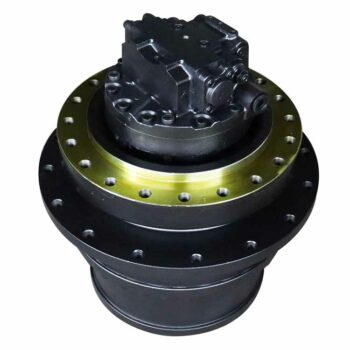
Factors to Consider When Selecting a Planetary Gearbox
Choosing the right planetary gearbox for a specific application involves considering various factors to ensure optimal performance and compatibility. Here are the key factors to keep in mind:
- Load Requirements: Determine the torque and speed requirements of your application. Planetary gearboxes offer different torque and speed ratios, so selecting the appropriate gearbox with the right load capacity is crucial.
- Ratio: Evaluate the gear reduction ratio needed to achieve the desired output speed and torque. Planetary gearboxes come in various gear ratios, allowing you to customize the output characteristics.
- Efficiency: Consider the gearbox’s efficiency, as it affects energy consumption and heat generation. Higher efficiency gearboxes minimize power losses during transmission.
- Size and Compactness: Planetary gearboxes are known for their compact size, but it’s essential to choose a size that fits within the available space while meeting performance requirements.
- Mounting Configuration: Determine how the gearbox will be mounted in your application. Planetary gearboxes can have different mounting options, including flange, shaft, or foot mountings.
- Input and Output Types: Select the appropriate input and output shaft configurations, such as male, female, keyed, splined, or hollow shafts, to ensure compatibility with your equipment.
- Environment: Consider the operating environment, including temperature, humidity, dust, and potential exposure to chemicals. Choose a gearbox with appropriate seals and materials to withstand the conditions.
- Accuracy: Some applications require precise motion control. If accuracy is essential, choose a gearbox with minimal backlash and high gear mesh quality.
- Service Life and Reliability: Evaluate the gearbox’s expected service life and reliability based on the manufacturer’s specifications. Choose a reputable manufacturer known for producing reliable products.
- Backlash: Backlash is the play between gears that can affect positioning accuracy. Depending on your application, you might need a gearbox with low backlash or a method to compensate for it.
- Budget: Consider your budget constraints while balancing performance requirements. Sometimes, investing in a higher-quality gearbox upfront can lead to long-term cost savings through reduced maintenance and downtime.
By carefully considering these factors and consulting with gearbox manufacturers or experts, you can select a planetary gearbox that best meets the unique demands of your application.


editor by lmc 2024-11-29