
Product Description
Product Description
JT400A Model
|
Feature |
Oil pump rotating 180 degree can change the input direction |
|||
|
Housing:SAE 0.1 |
Flange:14″,16″,18″ |
|||
| L×W×H:832x1052x1160mm | N.W.: 1150KG | |||
|
Type |
Nominal |
Accurate |
Ratio (horsepower HP/r.min) |
|
| JT400A | 6.0:1 | 6.108:1 | 0.450 | |
| 6.5:1 | 6.513:1 | 0.450 | ||
| 7.0:1 | 6.957:1 | 0.450 | ||
| 7.5:1 | 7.445:1 | 0.450 | ||
| 8.0:1 | 7.950:1 | 0.415 | ||
| 8.5:1 | 8.526:1 | 0.386 | ||
| 9.0:1 | 9.000:1 | 0.360 | ||
| 9.5:1 | 9.474:1 | 0.333 | ||
JT400-1 Model
|
Feature |
Oil pump rotating 180 degree can change the input direction |
|||
|
Housing:SAE 0.1 |
Flange:14″,16″,18″ |
|||
| L×W×H:832x1100x1350mm | N.W.:1450KG | |||
|
Type |
Nominal |
Accurate |
Ratio (horsepower HP/r.min) |
|
| JT400-1 | 8.0:1 | 8. 0571 :1 | 0.450 | |
| 8.5:1 | 8.6104:1 | 0.450 | ||
| 9.0:1 | 9.1973:1 | 0.450 | ||
| 10.0:1 | 9.8429:1 | 0.450 | ||
| 10.5:1 | 10.4675:1 | 0.400 | ||
| 11.0:1 | 11.2263:1 | 0.370 | ||
| 12.0:1 | 11.8500:1 | 0.356 | ||
| 12.5:1 | 12.4737:1 | 0.333 | ||
| 13.5:1 | 13.5000:1 | 0.313 | ||
| 14.0:1 | 14.2105:1 | 0.299 | ||
JT400-1 Model
|
Feature |
Oil pump rotating 180 degree can change the input direction |
|||
|
Housing:SAE 0.1 |
Flange:14″,16″,18″ |
|||
| L×W×H:832x1100x1350mm | N.W.:1450KG | |||
|
Type |
Nominal |
Accurate |
Ratio (horsepower HP/r.min) |
|
| JT400-1 | 8.0:1 | 8. 0571 :1 | 0.450 | |
| 8.5:1 | 8.6104:1 | 0.450 | ||
| 9.0:1 | 9.1973:1 | 0.450 | ||
| 10.0:1 | 9.8429:1 | 0.450 | ||
| 10.5:1 | 10.4675:1 | 0.400 | ||
| 11.0:1 | 11.2263:1 | 0.370 | ||
| 12.0:1 | 11.8500:1 | 0.356 | ||
| 12.5:1 | 12.4737:1 | 0.333 | ||
| 13.5:1 | 13.5000:1 | 0.313 | ||
| 14.0:1 | 14.2105:1 | 0.299 | ||
JT450-1 Model
|
Feature |
Oil pump rotating 180 degree can change the input direction |
|||
|
Housing:SAE 0.1 |
Flange:14″,16″,18″ |
|||
| L×W×H:832x1100x1350mm | N.W.:1450KG | |||
|
Type |
Nominal |
Accurate |
Ratio (horsepower HP/r.min) |
|
| JT450-1 | 8.0:1 | 8. 0571 :1 | 0.450 | |
| 8.5:1 | 8.6104:1 | 0.450 | ||
| 9.0:1 | 9.1973:1 | 0.450 | ||
| 10.0:1 | 9.8429:1 | 0.450 | ||
| 10.5:1 | 10.4675:1 | 0.400 | ||
| 11.0:1 | 11.2263:1 | 0.370 | ||
| 12.0:1 | 11.8500:1 | 0.356 | ||
| 12.5:1 | 12.4737:1 | 0.333 | ||
| 13.5:1 | 13.5000:1 | 0.313 | ||
| 14.0:1 | 14.2105:1 | 0.299 | ||
Company Profile
Our Advantages
1. Ensure good quality, good package for transporation and deliver on time during the production phase;
2. Manging sea freight to customer’s port of destination;
3. Be responsible for the after-sales service.
Packaging & Shipping
Recommed products
Quality Assurance
1. Marine class certificate.
2. Three party inspection can be arranged.
FAQ
Q1: Why we choose you?
11 professional engineers can provide overall solution services.
15 years specialising in marine deck equipment.
18 long-term cooperation supporting factories.
24 hours a day after-sale technical support.
Q2: What kind of payments do you accept?
T/T, L/C, Western Union, D/A, D/P, etc.
Q3: How about the Delivery Time?
We could finish the production within 30 days.
Q4: What’s the MOQ?
MOQ is 1 set.
/* March 10, 2571 17:59:20 */!function(){function s(e,r){var a,o={};try{e&&e.split(“,”).forEach(function(e,t){e&&(a=e.match(/(.*?):(.*)$/))&&1
| Application: | Machinery, Marine |
|---|---|
| Function: | Distribution Power, Clutch, Change Drive Torque, Change Drive Direction, Speed Changing, Speed Reduction, Speed Increase |
| Layout: | Coaxial |
| Hardness: | Hardened Tooth Surface |
| Installation: | Oscillating Base Type |
| Step: | Double-Step |
| Customization: |
Available
| Customized Request |
|---|
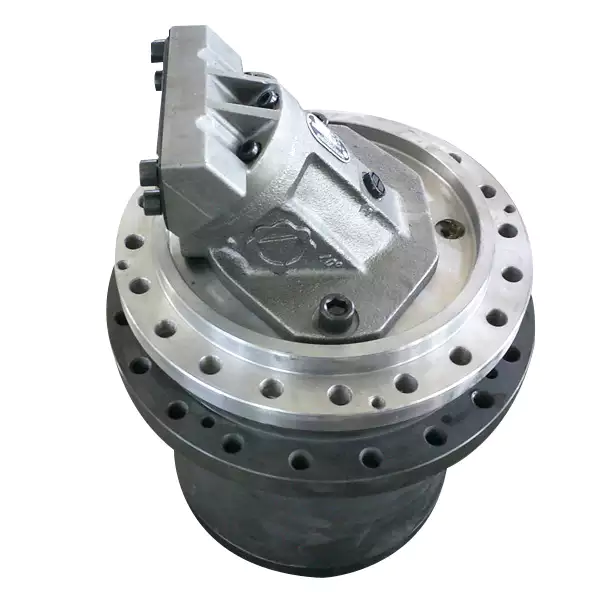
Concept of Coaxial and Parallel Shaft Arrangements in Planetary Gearboxes
Coaxial and parallel shaft arrangements refer to the orientation of the input and output shafts in a planetary gearbox:
- Coaxial Shaft Arrangement: In this arrangement, the input and output shafts are aligned along the same axis, with one shaft passing through the center of the other. This design results in a compact and space-efficient gearbox, making it suitable for applications with limited space. Coaxial planetary gearboxes are commonly used in scenarios where the gearbox needs to be integrated into a compact housing or enclosure.
- Parallel Shaft Arrangement: In a parallel shaft arrangement, the input and output shafts are positioned parallel to each other but not on the same axis. Instead, they are offset from each other. This configuration allows for greater flexibility in designing the layout of the gearbox and the surrounding machinery. Parallel shaft planetary gearboxes are often used in applications where the spatial arrangement requires the input and output shafts to be positioned in different locations.
The choice between a coaxial and parallel shaft arrangement depends on factors such as available space, mechanical requirements, and the desired layout of the overall system. Coaxial arrangements are advantageous when space is limited, while parallel arrangements offer more design flexibility for accommodating various spatial constraints.
Maintenance Practices to Extend the Lifespan of Planetary Gearboxes
Proper maintenance is essential for ensuring the longevity and optimal performance of planetary gearboxes. Here are specific maintenance practices that can help extend the lifespan of planetary gearboxes:
1. Regular Inspections: Implement a schedule for routine visual inspections of the gearbox. Look for signs of wear, damage, oil leaks, and any abnormal conditions. Early detection of issues can prevent more significant problems.
2. Lubrication: Adequate lubrication is crucial for reducing friction and wear between gearbox components. Follow the manufacturer’s recommendations for lubricant type, viscosity, and change intervals. Ensure that the gearbox is properly lubricated to prevent premature wear.
3. Proper Installation: Ensure the gearbox is installed correctly, following the manufacturer’s guidelines and specifications. Proper alignment, torque settings, and clearances are critical to prevent misalignment-related wear and other issues.
4. Load Monitoring: Avoid overloading the gearbox beyond its designed capacity. Excessive loads can accelerate wear and reduce the gearbox’s lifespan. Regularly monitor the load conditions and ensure they are within the gearbox’s rated capacity.
5. Temperature Control: Maintain the operating temperature within the recommended range. Excessive heat can lead to accelerated wear and lubricant breakdown. Adequate ventilation and cooling measures may be necessary in high-temperature environments.
6. Seal and Gasket Inspection: Regularly check seals and gaskets for signs of leakage. Damaged seals can lead to lubricant loss and contamination, which can cause premature wear and gear damage.
7. Vibration Analysis: Use vibration analysis techniques to detect early signs of misalignment, imbalance, or other mechanical issues. Monitoring vibration levels can help identify problems before they lead to serious damage.
8. Preventive Maintenance: Establish a preventive maintenance program based on the gearbox’s operational conditions and usage. Perform scheduled maintenance tasks such as gear inspections, lubricant changes, and component replacements as needed.
9. Training and Documentation: Ensure that maintenance personnel are trained in proper gearbox maintenance procedures. Keep comprehensive records of maintenance activities, inspections, and repairs to track the gearbox’s condition and history.
10. Consult Manufacturer Guidelines: Always refer to the manufacturer’s maintenance and servicing guidelines specific to the gearbox model and application. Following these guidelines will help maintain warranty coverage and ensure best practices are followed.
By adhering to these maintenance practices, you can significantly extend the lifespan of your planetary gearbox, minimize downtime, and ensure reliable performance for your industrial machinery or application.
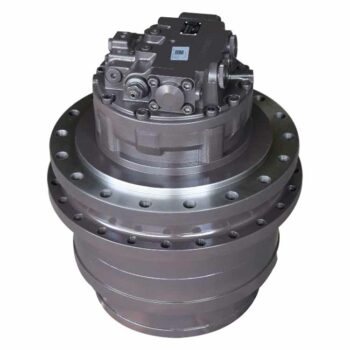
Energy Efficiency of a Worm Gearbox: What to Expect
The energy efficiency of a worm gearbox is an important factor to consider when evaluating its performance. Here’s what you can expect in terms of energy efficiency:
- Typical Efficiency Range: Worm gearboxes are known for their compact size and high gear reduction capabilities, but they can exhibit lower energy efficiency compared to other types of gearboxes. The efficiency of a worm gearbox typically falls in the range of 50% to 90%, depending on various factors such as design, manufacturing quality, lubrication, and load conditions.
- Inherent Losses: Worm gearboxes inherently involve sliding contact between the worm and worm wheel. This sliding contact generates friction, leading to energy losses in the form of heat. The sliding action also contributes to lower efficiency when compared to gearboxes with rolling contact.
- Helical-Worm Design: Some manufacturers offer helical-worm gearbox designs that combine elements of helical and worm gearing. These designs aim to improve efficiency by incorporating helical gears in the reduction stage, which can lead to higher efficiency compared to traditional worm gearboxes.
- Lubrication: Proper lubrication plays a significant role in minimizing friction and improving energy efficiency. Using high-quality lubricants and ensuring the gearbox is adequately lubricated can help reduce losses due to friction.
- Application Considerations: While worm gearboxes might have lower energy efficiency compared to other types of gearboxes, they still offer advantages in terms of compactness, high torque transmission, and simplicity. Therefore, the decision to use a worm gearbox should consider the specific requirements of the application, including the trade-off between energy efficiency and other performance factors.
When selecting a worm gearbox, it’s essential to consider the trade-offs between energy efficiency, torque transmission, gearbox size, and the specific needs of the application. Regular maintenance, proper lubrication, and selecting a well-designed gearbox can contribute to achieving the best possible energy efficiency within the limitations of worm gearbox technology.


editor by CX 2024-02-01